
A Heat Pump Story in Richmond Hill Ontario
A Richmond Hill resident, Elizabeth Liu, installed a cold climate air-sourced heat pump in early 2024 after learning about the technology from a citizen group, Climate Action Richmond Hill.
STORIES 2025
Elizabeth Liu
1/6/20264 min read
A Heat Pump Story in Richmond Hill Ontario
A Richmond Hill resident, Elizabeth Liu, installed a cold climate air-sourced heat pump in early 2024 after learning about the technology from a citizen group, Climate Action Richmond Hill. She applied to the Home Efficiency Rebate Program for the installation (Enbrige, 2024).
Background Information
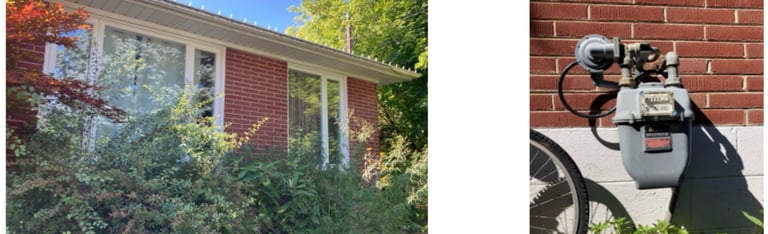
Archetype: Bungalow, with no tree canopy
Size: 1222 sq feet
Age: Over 70 years old
Energy retrofits implemented: Attic insulation; wall insulation of a bedroom, all windows replaced with 3-pane energy efficient ones Major changes in gas or electricity use (apart from the heat pump): None
Heat Pump
Heat pumps are energy-efficient electrical appliances that provide both heating and cooling, and produce a lower carbon footprint (Natural Resources Canada, 2025).
Energy Use & Bill Changes (Mar 2024 – Feb 2025 compared to the year prior)
• 70% annual gas use reduction (Appendix 1).
• $1,125 annual gas bill reduction observed. Of that reduction, an estimated $802 (incl. HST) is usage-driven since 1,527 m³ less gas consumed (Appendix 2). • 78 % annual electricity use increase (Appendix 3).
• $767 electricity bill increase observed. Of that increase, an estimated $631 (incl. HST) is usage-driven since 5633 kWh more electricity consumed (Appendix 4).
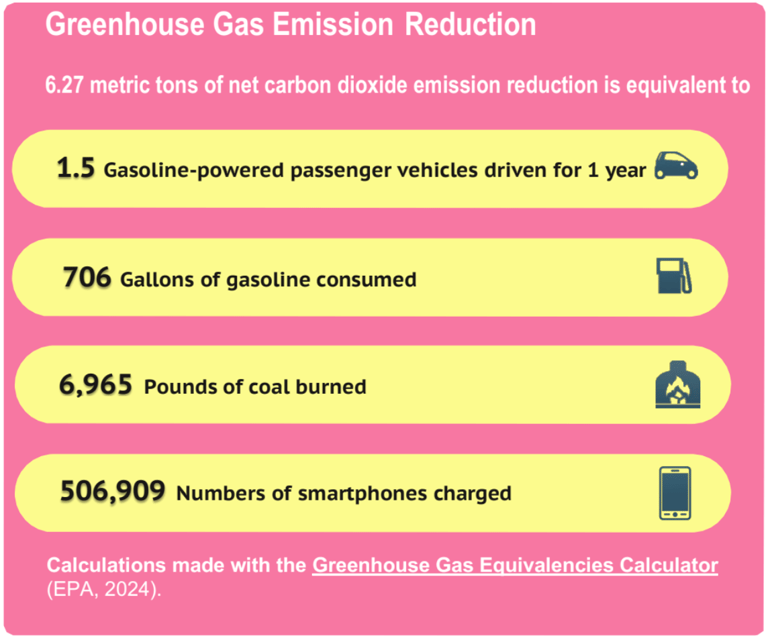
• A net usage-driven reduction of $171 on the overall energy bill (Appendix 4). • 6.27 metric tons of net carbon dioxide emission reduction (Appendix 5, Appendix 6). Other greenhouse gases such as methane (CH₄) and nitrous oxide (N₂O) are not included, as they represent a relatively minor share of total greenhouse gas emissions in this study.
It is noteworthy that energy use and costs vary with factors such as regional climates, home archetypes and equipment performances (Ferguson & Sager, 2022). So, the data presented is not representative of all cases.
Key takeaways
1. Know Your Home’s Broader Energy Efficiency Strategy
A heat pump should be part of a broader energy-efficiency strategy. That includes insulation, high-performance windows, smart thermostats, etc. (Enbridge & IESO, 2025b). In Elizabeth’s case, she implemented multiple retrofits beforehand. Reducing heat loss should be a priority before installing a heat pump.
2. Know the importance of energy audits
Government rebate programs begin with an energy audit (Enbridge & IESO, 2025a). It is a detailed study of home energy use and heat loss. Ideally, an audit is conducted before deciding on retrofits. However, in Elizabeth’s case, her 6 contractors determined the heat pump size and model before an audit was completed.
3. Ask Certified Contractors Key Questions
It is important to ask how a heat pump’s model and size was chosen. How does the system perform in summer and winter? It is important to compare contractors’ models, costs, warranties and installation timelines. Manufacturer websites will be useful for comparisons.
4. Use the Heat Pump for More Than Just Cooling
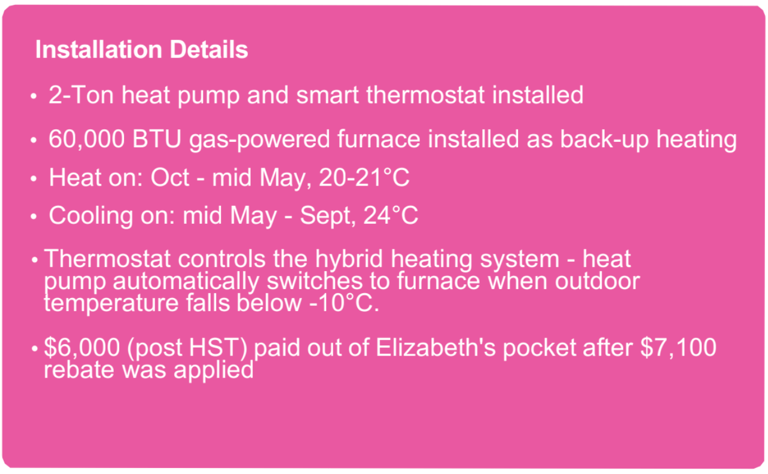
Some contractors advised Elizabeth to use the heat pump only for cooling to avoid the cost of installing a back-up furnace. They all suggested limiting its operation to between 7 °C and 0 °C, claiming it could not meet heating demands at lower outdoor temperatures. But after reviewing the manufacturer's data, Elizabeth decided to run her heat pump down to -10°C—and found it could meet most of her home's heating needs.
5. Double Check Gas Meter Readings
Uploading actual meter readings ensures homeowners pay what they use (Enbridge, 2025b). In Elizabeth’s case, after submitting accurate readings, she was refunded over $500 for the winter season as gas usage has dramatically declined (Appendix 7).
6. Cool the house more efficiently in summer
Elizabeth’s heat pump use has increased electricity consumption year-round (Appendix 8). Replacing her 1.5-ton AC with a 2-ton heat pump (to match her 60,000 BTU furnace) has raised summer electricity use. Thermostat data revealed that she could have saved electricity in the summer by ventilating in late evenings.
7. Stay Engaged after Installation
Learn how the smart thermostat, heat pump, and furnace work together, and contact the providers if any issues arise. Monitor energy bills closely—especially in winter—and submit accurate gas meter readings. While electricity use may rise, good insulation will maximize heat pump efficiency. In summer, reduce heat gain with blinds, fans, and by ventilating during cooler parts of the day.
Ideas for the Future
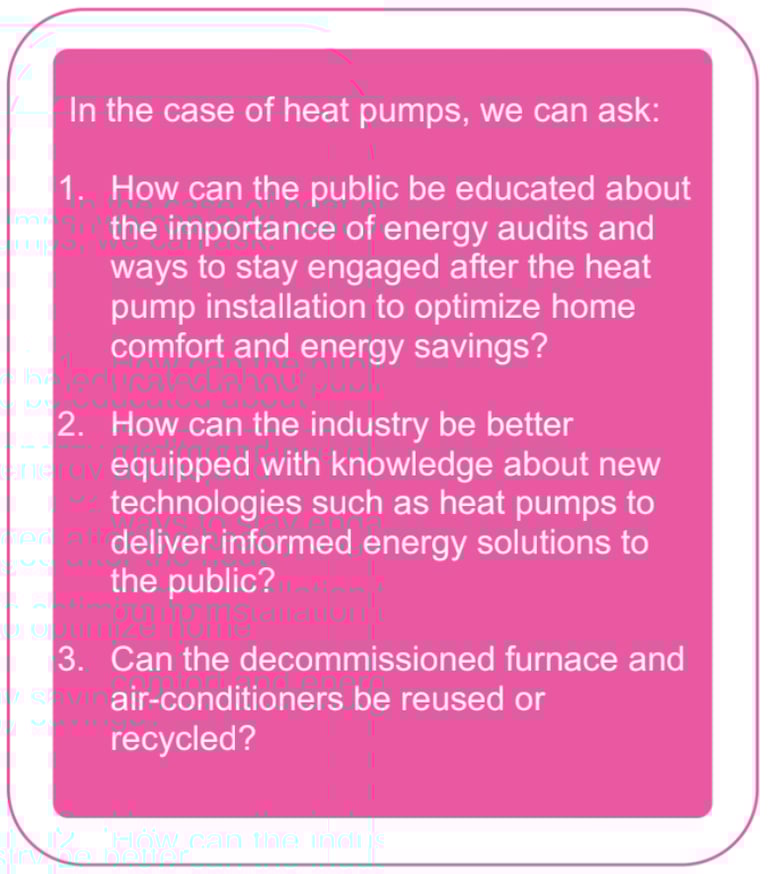
The government energy efficiency rebate program funded energy retrofits in over 100,000 households (Enbridge, 2024). Public participation and professional delivery of the program are key to maximizing its financial and environmental benefits. Environmental impacts of retrofits should also be considered.
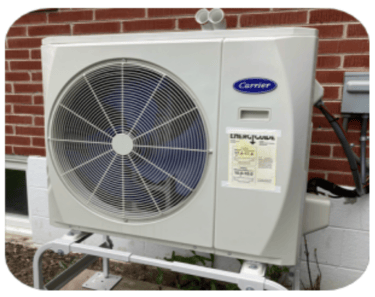
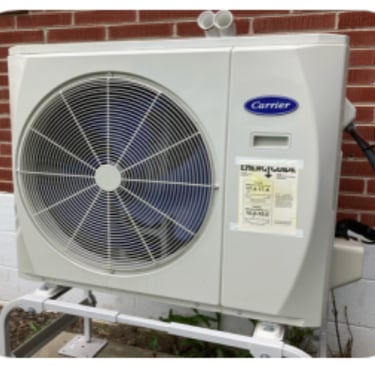
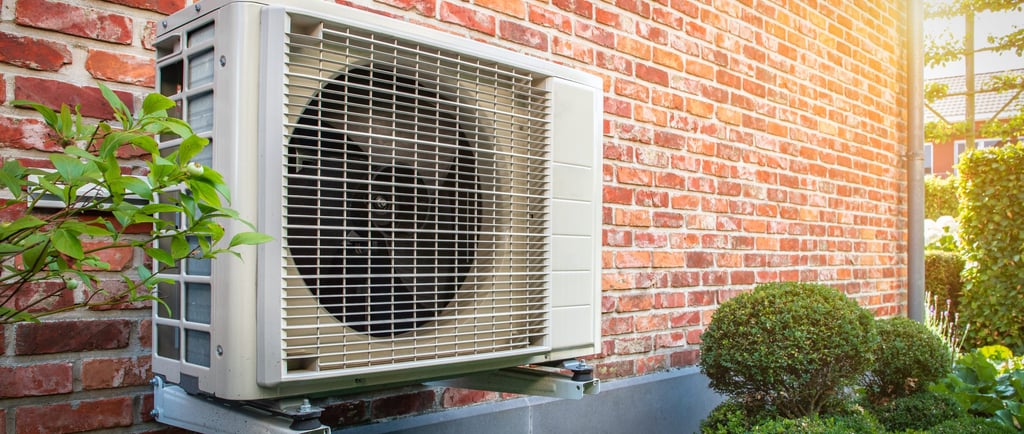
Heat pump installed at Elizabeth's residence
Acknowlegement
This case study benefited greatly from the input and professional advice of Mr. Erik Jensen, Ms. Esther Collier, Ms. Susan Sigrist, Mr. Atish Pereira, and Ms. Jessica Wu. While the authors thank the various individuals for their expertise and guidance, this case study’s contents, errors or omissions are the sole responsibility of the author.
For enquiries and suggestions, please email: elizabeth.wt.liu@gmail.com
To see the Case Study document along with the Appendices and References, see the Case Study pdf document here.